A personal selection of the world’s most extraordinary fortresses – plus the Northumbrian strongholds that started it all.
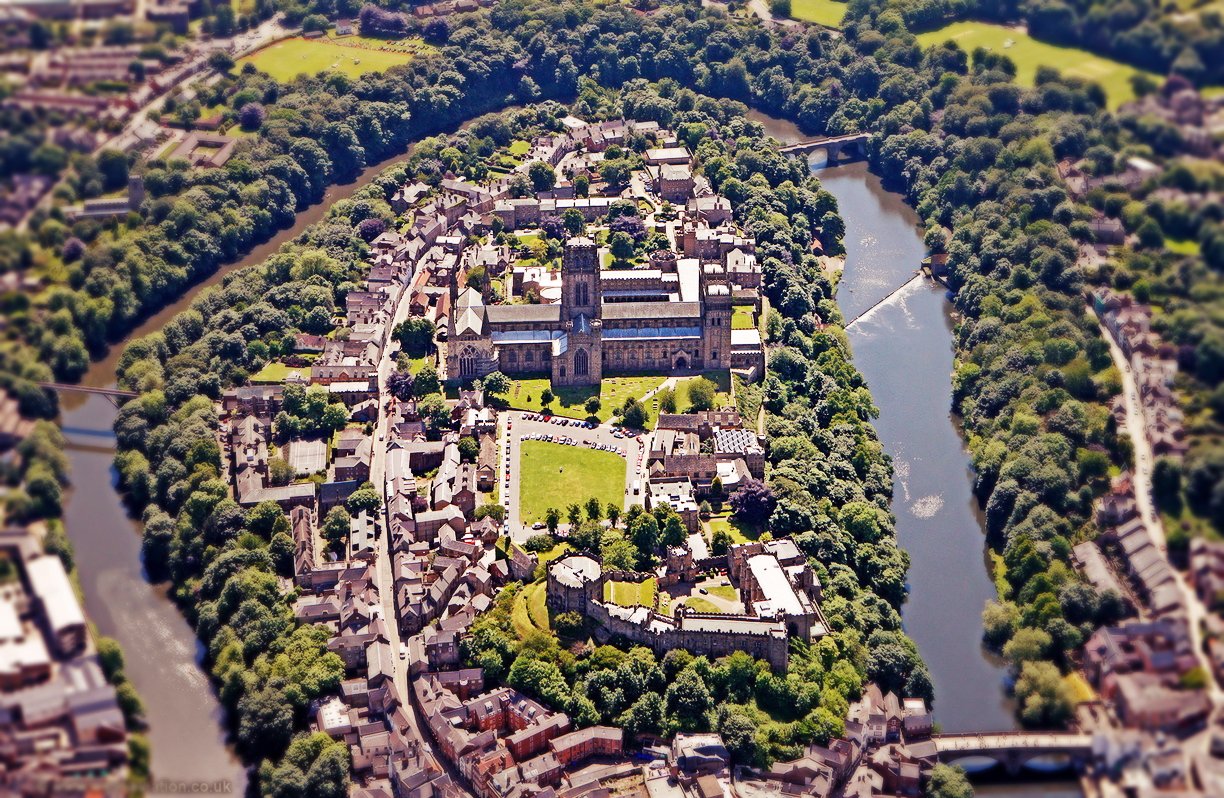
Durham Castle, looming over the Wear – a constant presence growing up.
Growing up in County Durham, castles weren’t distant fairy tales — they were simply there, part of the landscape I wandered and was driven around as a bairn. Durham Castle loomed over the river on often mischievous trips into town, its Norman walls hiding university students as easily as they once sheltered prince-bishops. Brancepeth, Raby, Barnard, Lumley — the list goes on, all leaving an indelible mark on the subconscious, maybe?
Those early encounters planted a seed that grew into a lifelong interest. Over the years, I’ve sought out fortresses across Europe — nine of which I’ve stood inside (or been in very close proximity to), from the royal splendour of Windsor to the tidal isolation of Mont-Saint-Michel, the fairytale spires of Neuschwanstein to the restored ramparts of Carcassonne. Each left its mark.
This is my curated collection of 21⅓ Castles of Distinction — twenty-one extraordinary strongholds from around the world that I consider the most remarkable for their architecture, history, setting, or sheer atmosphere. The fractional third? Well, that should be obvious from the list! 😉 From a personal perspective, it also represents the pull of the Northumbrian borders — the dramatic coastal castles, inland ruins, and fortified homes that shaped my earliest memories and refuse to be contained in a neat list. (A dedicated map for them is already brewing.)
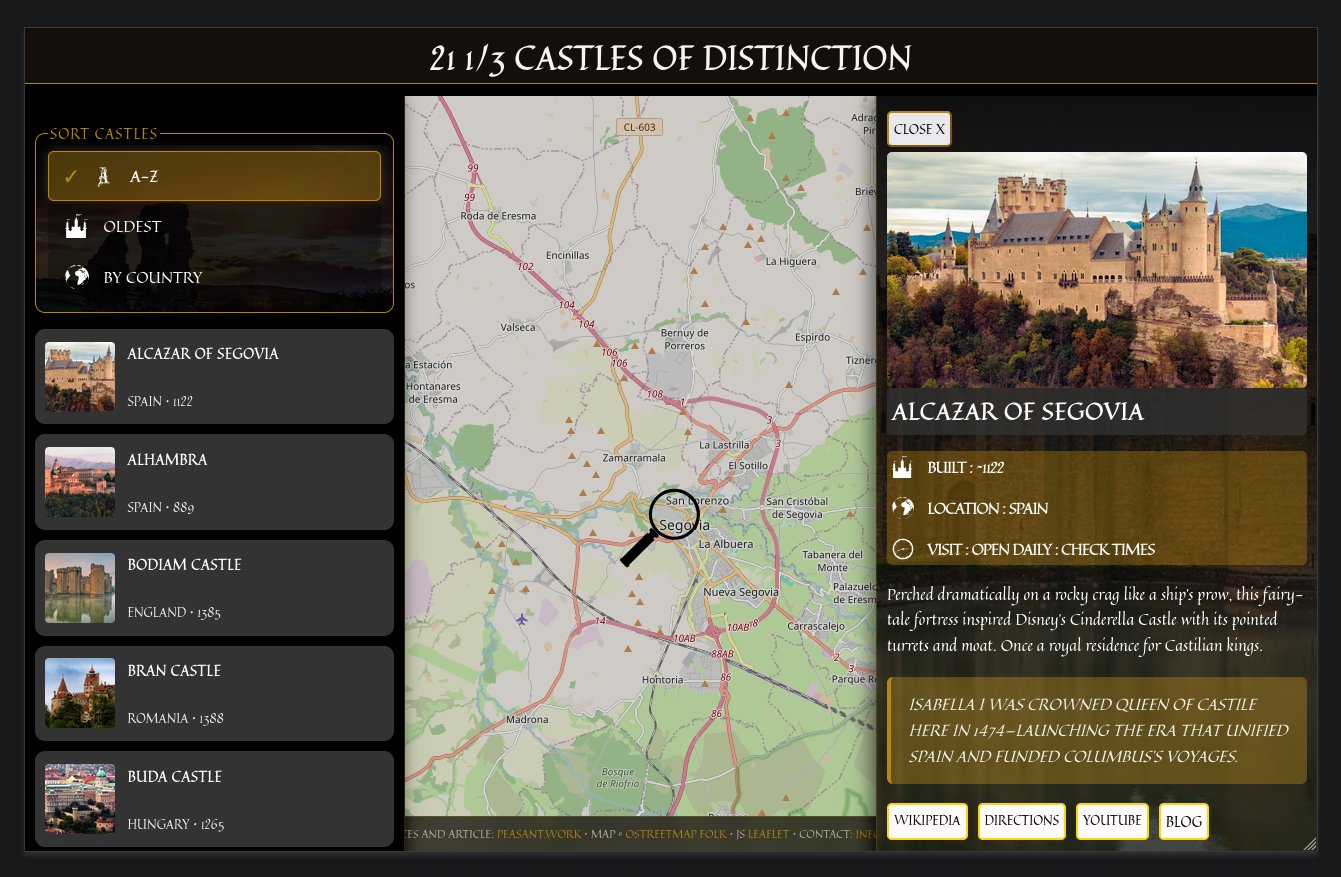
To bring these places together in one explorable space, I built Castle Explorer — a simple interactive web map where you can filter, sort, and dive into the details. What follows are the stories behind my selection…
The I’ve Visited List
These are special — not just for their grandeur or history, but because I’ve stood within (or very close to) their walls. From local Durham stones that shaped my earliest memories to continental wonders that felt like stepping into legend, each visit deepened the obsession. Here they are in alphabetical order, my brain is too far gone for chronological, sorry!:
Carcassonne (France, origins 1st century BC, major fortifications 12th–13th century)
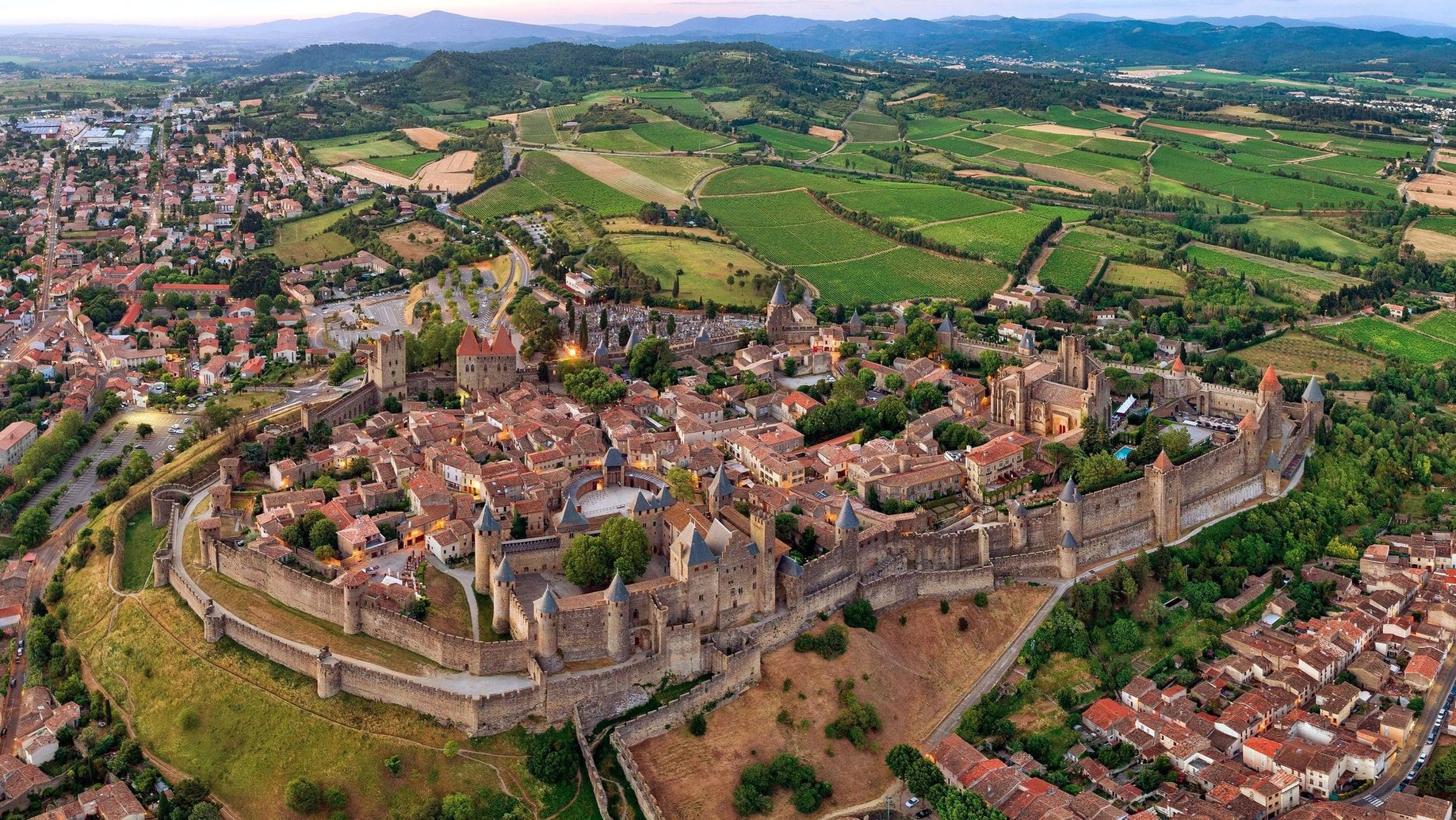
A masterpiece of medieval military architecture, this double-walled fortified city in southern France was originally a Gallo-Roman stronghold. Extensively restored in the 19th century by Eugène Viollet-le-Duc, it’s now a UNESCO World Heritage site and one of the best-preserved examples of a walled citadel.
My visit: The original plan was a cycling trip to the South of France — chasing the Tour de France and slogging up those legendary mountain hills on my own ‘iron-pig’. Carcassonne turned out to be a glorious by-product: wandering the perfectly restored ramparts with a nice ice-cream in hand, then watching Lance Armstrong (in what we now know was his drug-fuelled prime) rocket past. An accidental detour that felt like stepping straight into a medieval dream — albeit with grown men in lycra on two wheeled horses!
Durham Castle (England, founded 1072)
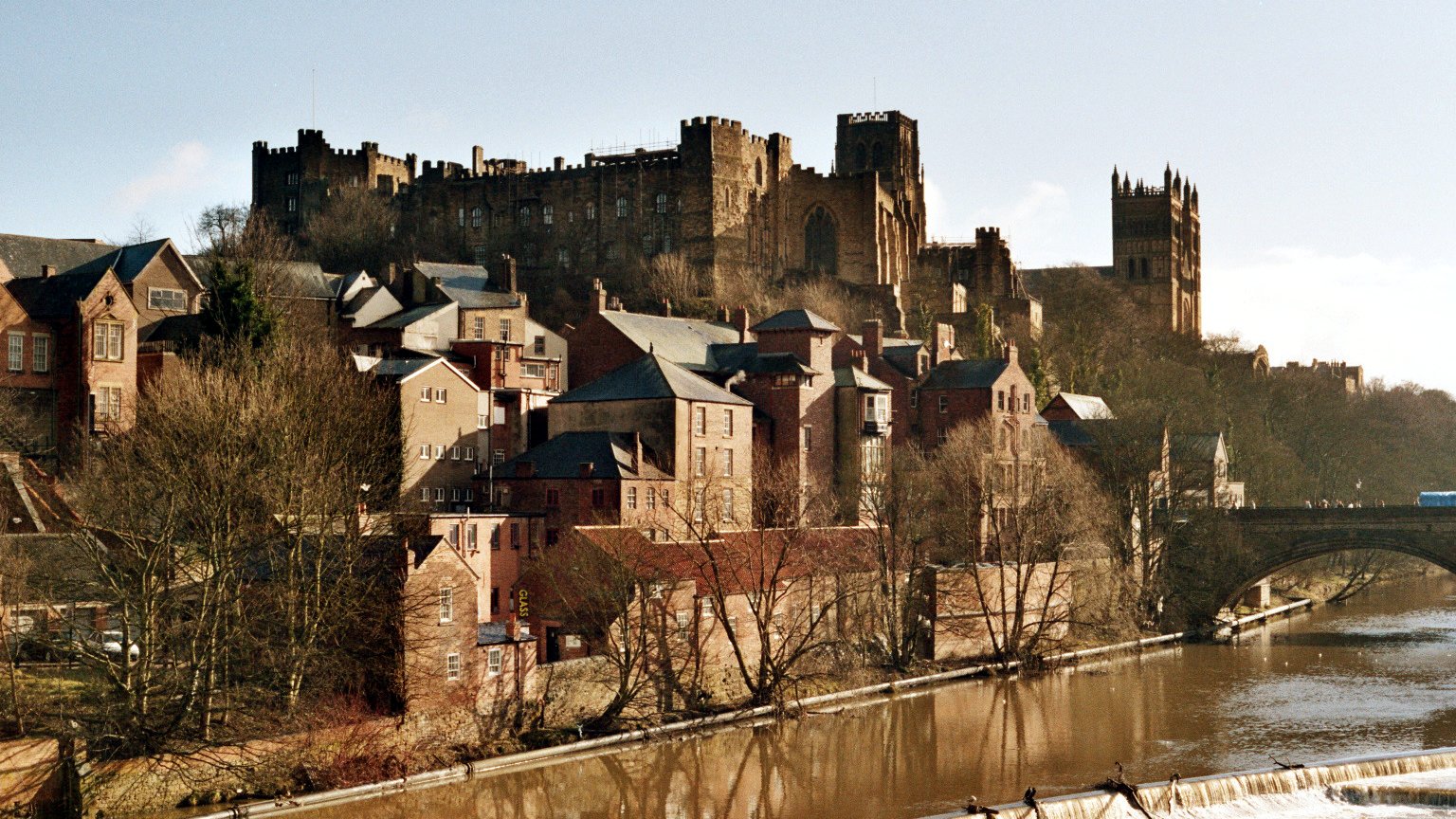
Built by William the Conqueror’s Normans shortly after the Conquest, this motte-and-bailey castle served as the residence of the powerful Prince Bishops of Durham. Today it forms part of Durham University (the oldest university castle in the world) and is a UNESCO site alongside the adjacent cathedral.
My visit: It was never really a “visit” — more a constant presence growing up nearby. Mischievous bus trips into town as a teenager could turn lively, like the time a local football hooligan crew chased me through the rabbit-warren of back alleys around the castle (heart-pounding stuff). More often, though, it was just there: looming dramatically over the River Wear on fishing trips with mates, or simply the unchanging backdrop to everyday life. History wasn’t something you went to see — it was home.
Edinburgh Castle (Scotland, origins 12th century or earlier)
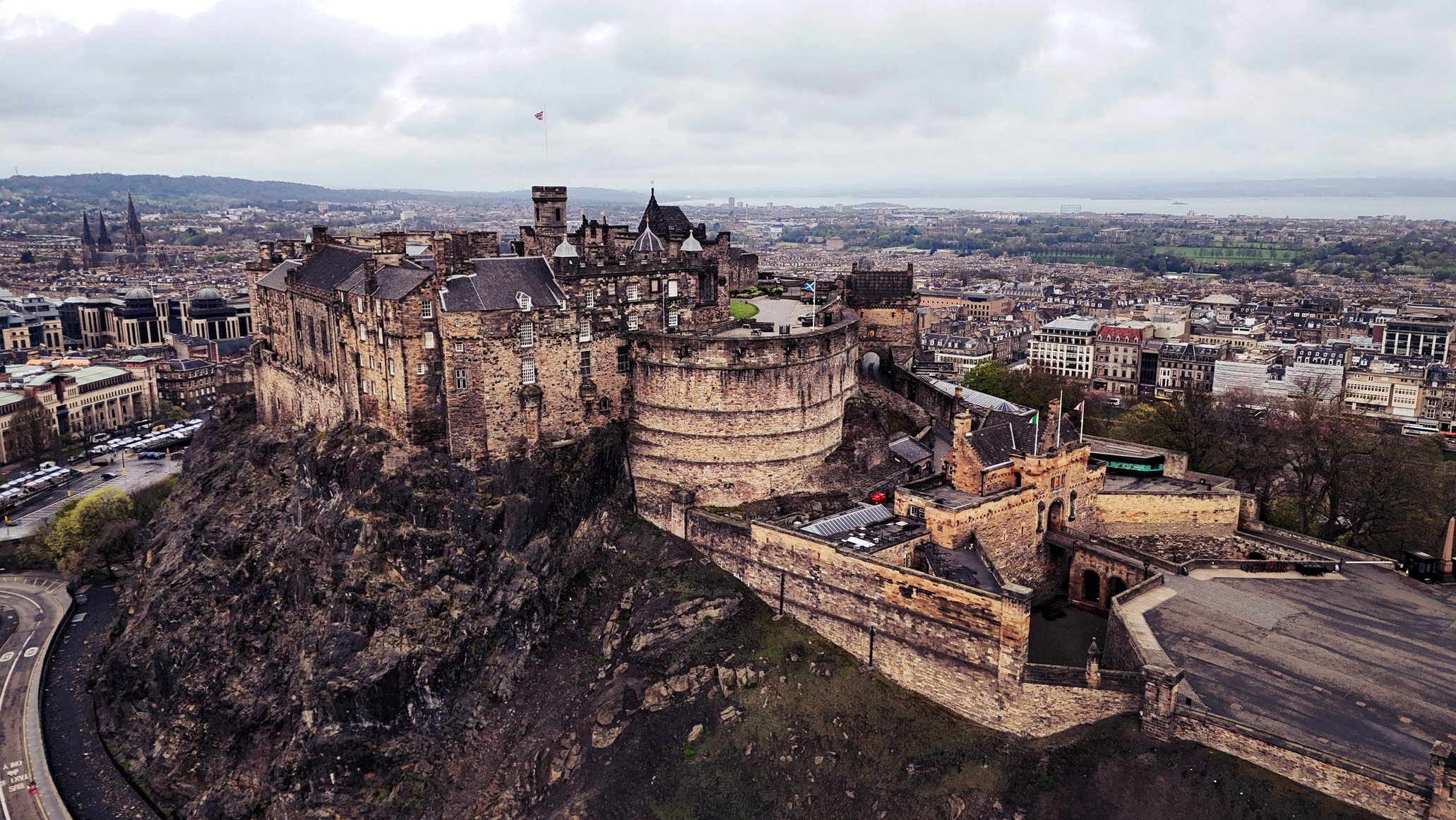
Perched atop an ancient volcanic rock, this iconic fortress has dominated Scotland’s capital for centuries. Home to the Scottish Crown Jewels and the Stone of Destiny, it has witnessed sieges, royal births, and the incessant One O’Clock Gun.
My visit: I’ve been up there many times, almost always arriving via that dramatic east coast rail journey, hugging the breathtaking coastline of both fine countries. One standout was staggering up to the battlements after a night on the ale, I believe, celebrating a mate’s forthcoming wedding: slightly hazy-headed, but utterly exhilarated by those sweeping, dramatic views over Edinburgh. The castle has this way of turning good times into timeless ones, that you can’t quite remember!.
Ludworth Tower (England, c. 1420)
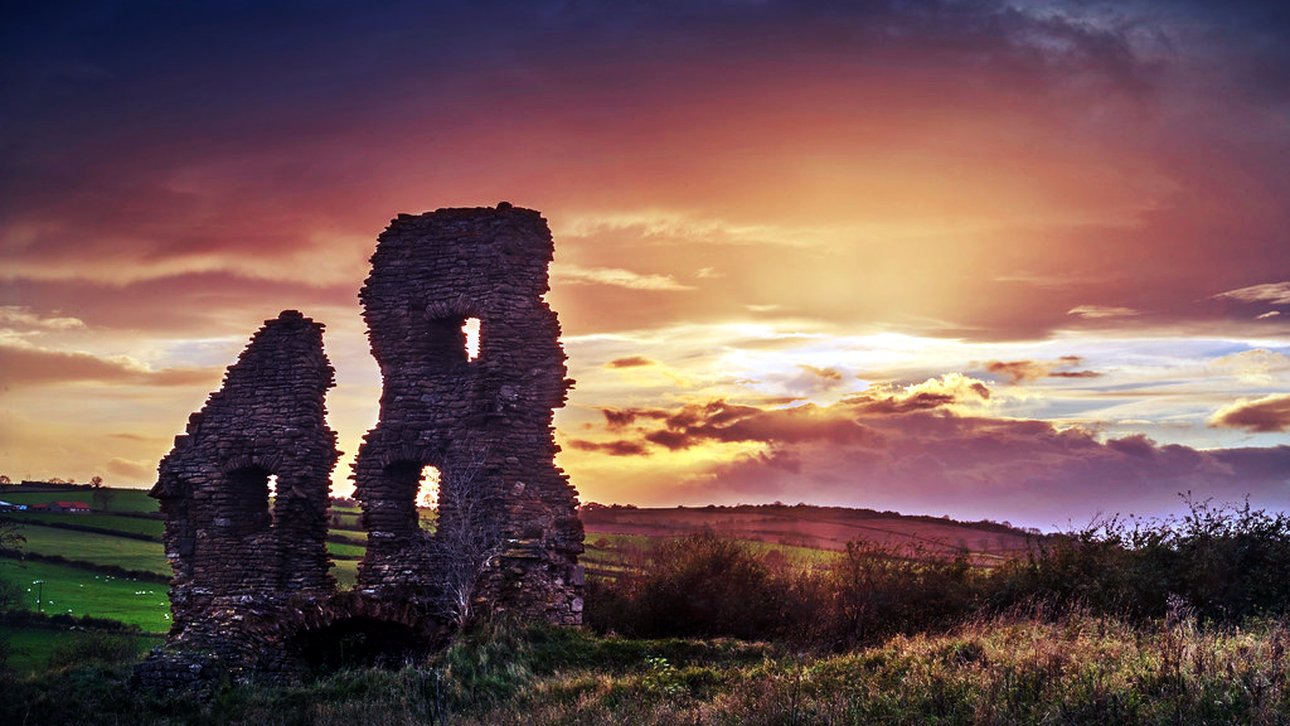 Ludworth Tower at Sunset. Thanks To David Allen .
A classic pele tower built during the turbulent border reiver era for defence against Scottish raids. Now atmospheric ruins in County Durham countryside, it exemplifies the fortified farmhouses common in the Northumbrian borders.
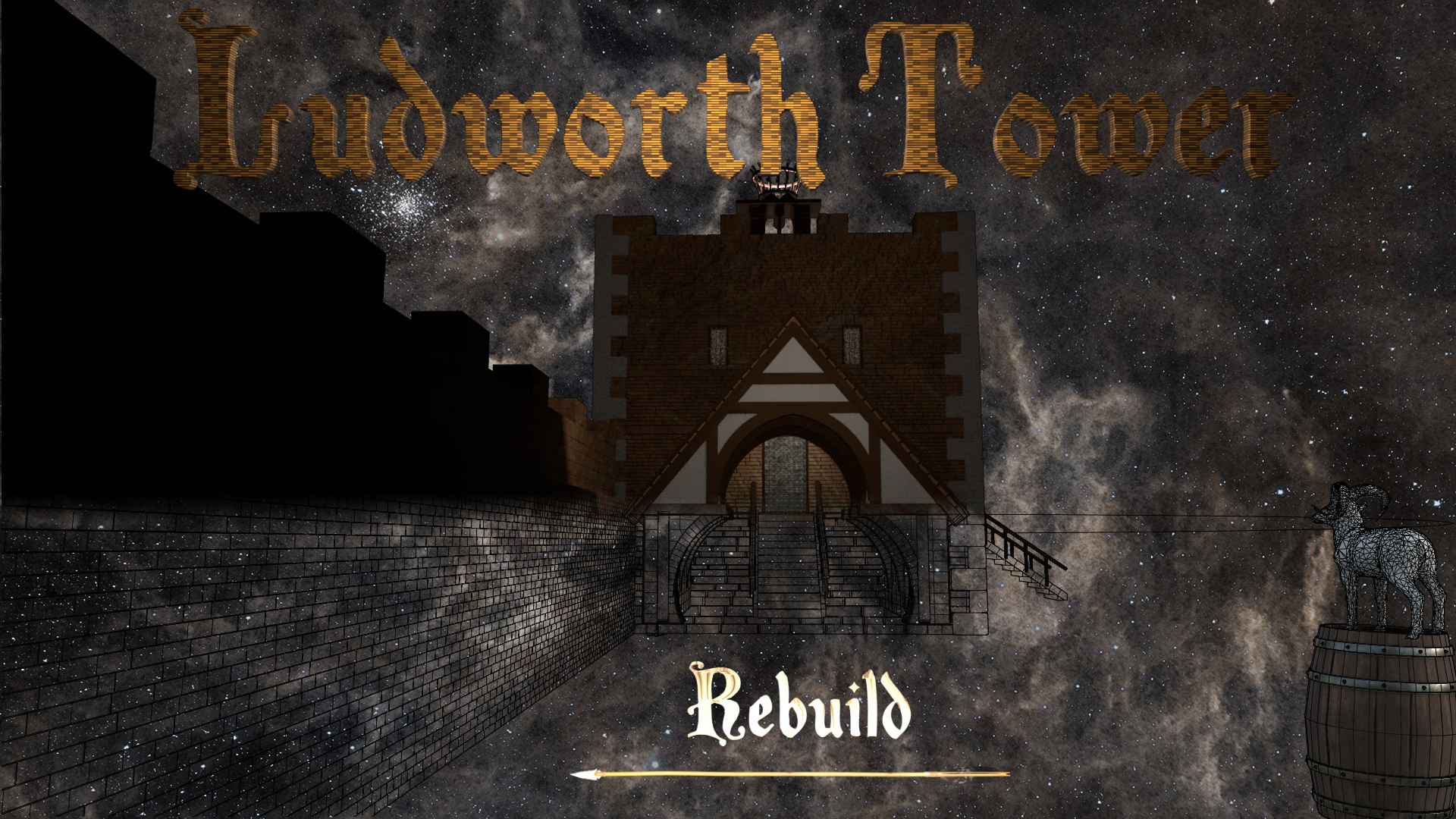
My visit: For years it was just a familiar blur on the horizon — I’d drive past regularly in a job working with the long-term unemployed of east Durham, the van full of chat about footy and barely a glance at the ruins. It blended into the landscape like it always had. Only later, during my Ludworth project, did everything change: I examined it properly for the first time, mapping it from every angle, and finally appreciating its quiet, defiant history amid the fields. What was once taken for granted became a proper interest… At was at this point I decided a vaguely comedic approach was in order. Once the goats showed up it spiralled out of control. I was a long cold winter here!
Mont-Saint-Michel (France, abbey founded 708)
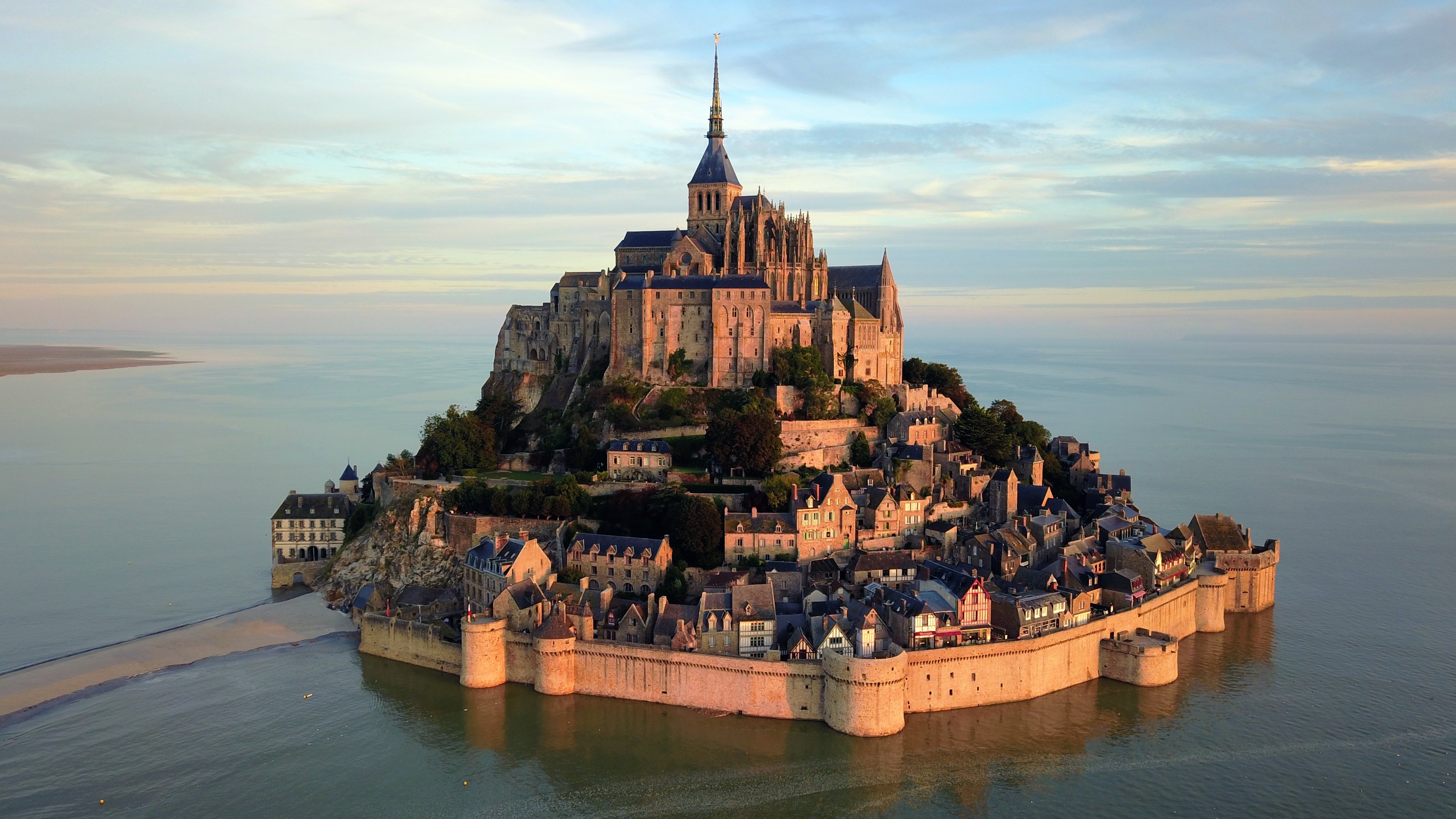
This dramatic tidal island abbey off Normandy’s coast began as an 8th-century oratory and grew into a fortified pilgrimage site. Surrounded by quicksands and extreme tides, it’s a UNESCO marvel of medieval engineering and spirituality.
My visit: The trip was primarily to the infamous D-Day beaches of Normandy — a sombre, reflective journey. Mont-Saint-Michel was the breathtaking side adventure: marvelling at this impossible rock rising from the sands, soaking up the warm Norman hospitality over local feasts. The highlight (and lowlight) was devouring a full kilo of moules frites (mussels and chips) — delicious at the time, but the shellfish toxin poisoning that followed was a harsh reminder to pace myself. Worth every hallucinogenic moment for the sheer ‘magic’ of the place.
Neuschwanstein Castle (Germany, 1869–1886)
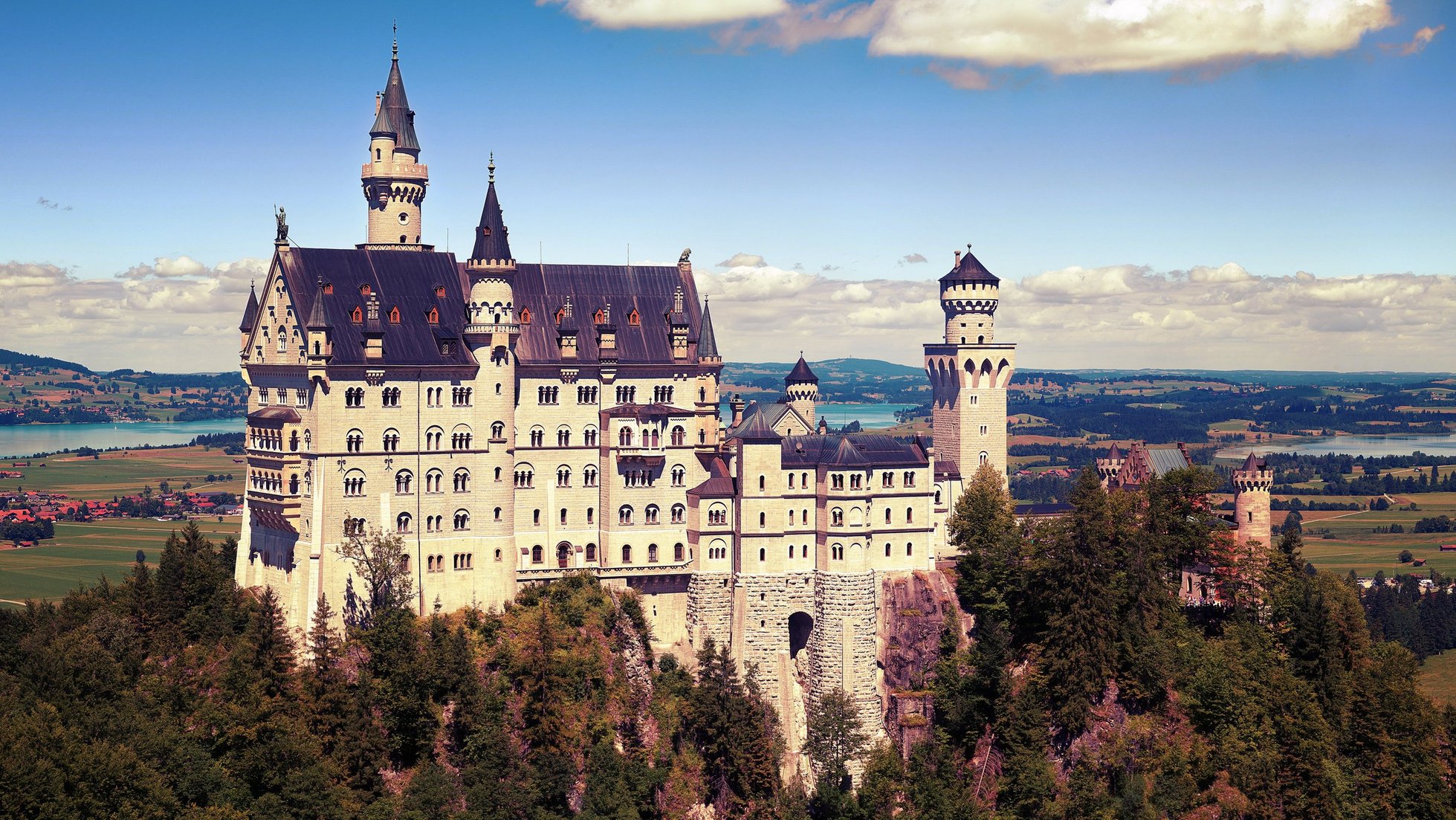
King Ludwig II of Bavaria’s romantic 19th-century palace, inspired by medieval legends and Wagner operas. Nestled in the Alps, its fairy-tale silhouette inspired Disney’s Sleeping Beauty Castle.
My visit: It was during an army skiing trip in the depths of winter — the regiment had a rather nice ski lodge in the area (I believe was confiscated post-war…a perk?). The castle appeared out of nowhere through thick, swirling mist: towers emerging like something from a dream, the snow-muted Alps all around. Truly magical — one of those rare moments where reality outdoes the postcards.
Prague Castle (Czech Republic, founded 880)
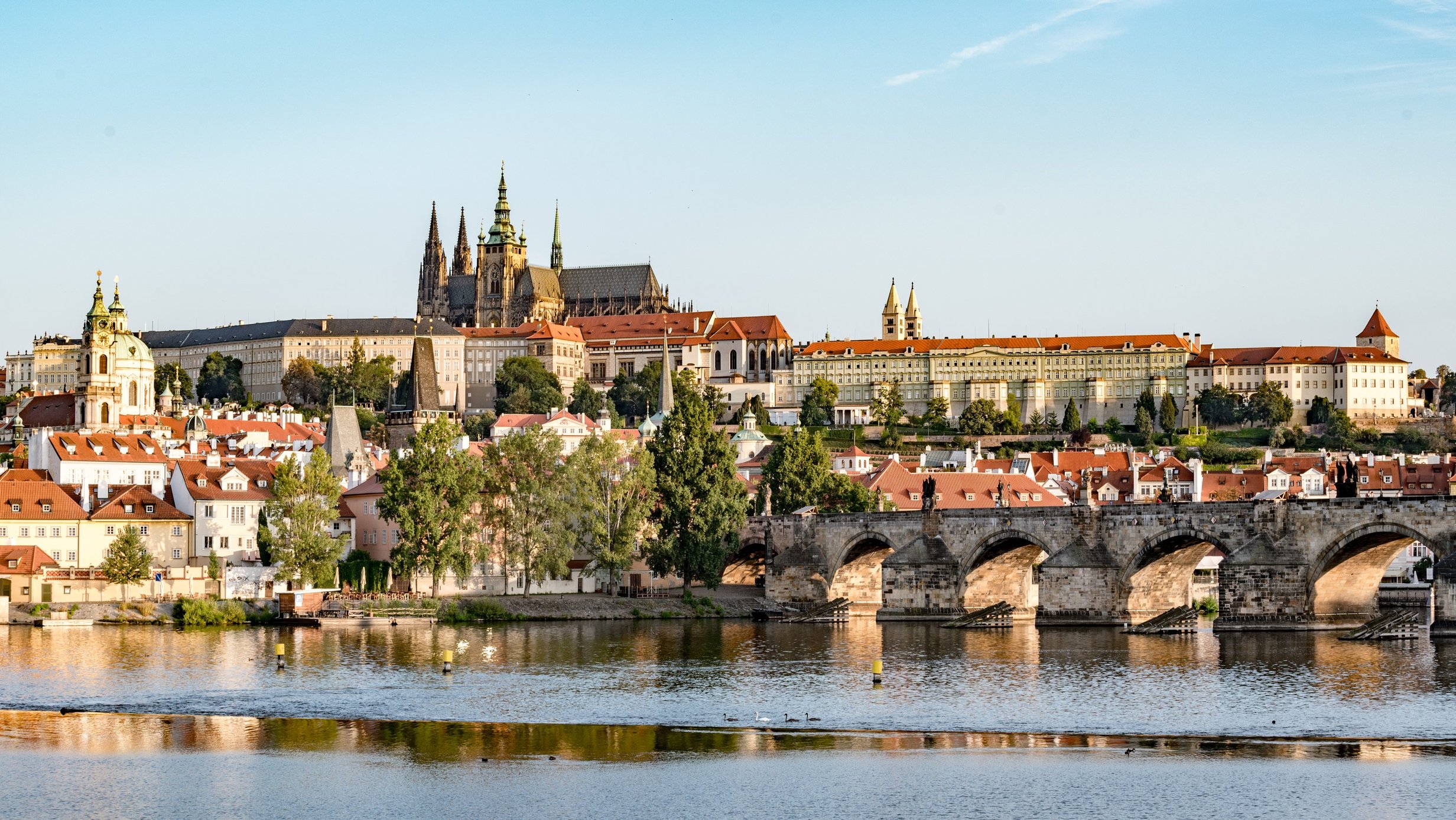
The largest coherent ancient castle complex in the world (Guinness record), overlooking the Vltava River. Seat of Czech kings, Holy Roman Emperors, and presidents, it includes St. Vitus Cathedral and spans Romanesque to Gothic styles.
My visit: This was a week-long booze binge with the chaps. Sightseeing was involved, mainly constitution-rebuilding after the night before’s festivities. Fabulous city to see in a haze, sorry Prague! Honourable mention to the ‘interesting’ taxi driver and service!
Tower of London (England, founded 1066)
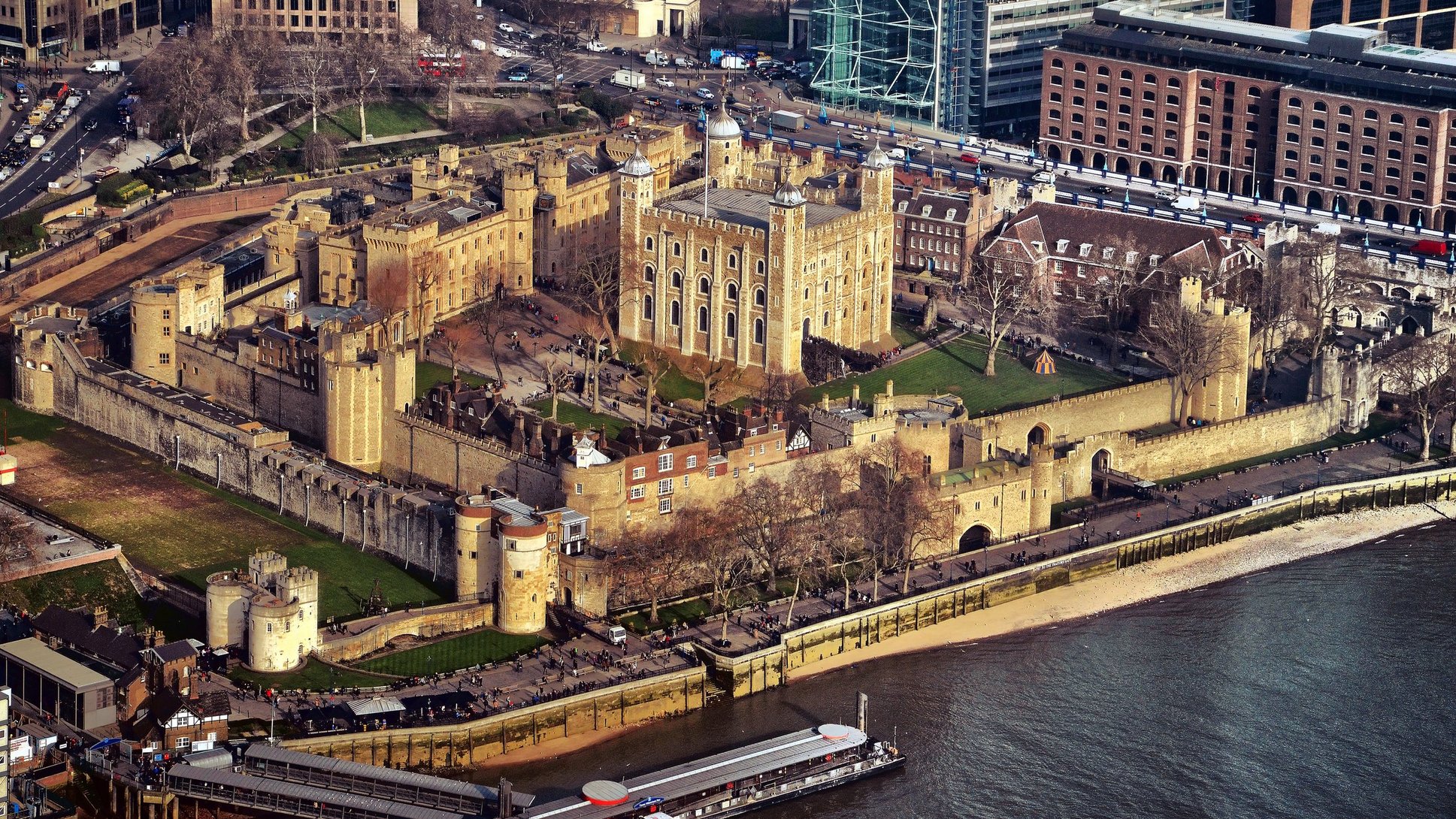
William the Conqueror’s formidable fortress and palace on the Thames, centred on the White Tower. It has served as royal residence, prison, armoury, and treasury — home to the Crown Jewels and infamous executions.
My visit: I can’t pinpoint the date, but it was many moons ago. What sticks in my mind, though, is the sheer opulence of all that accrued wealth. Might’ve been my military days; we probably got in free! On the subject of, we also rolled over Tower Bridge on one occasion to put some holes in Salisbury Plain. The site of the castle from Tower Bridge at night is a marvel!
Windsor Castle (England, founded 1070)
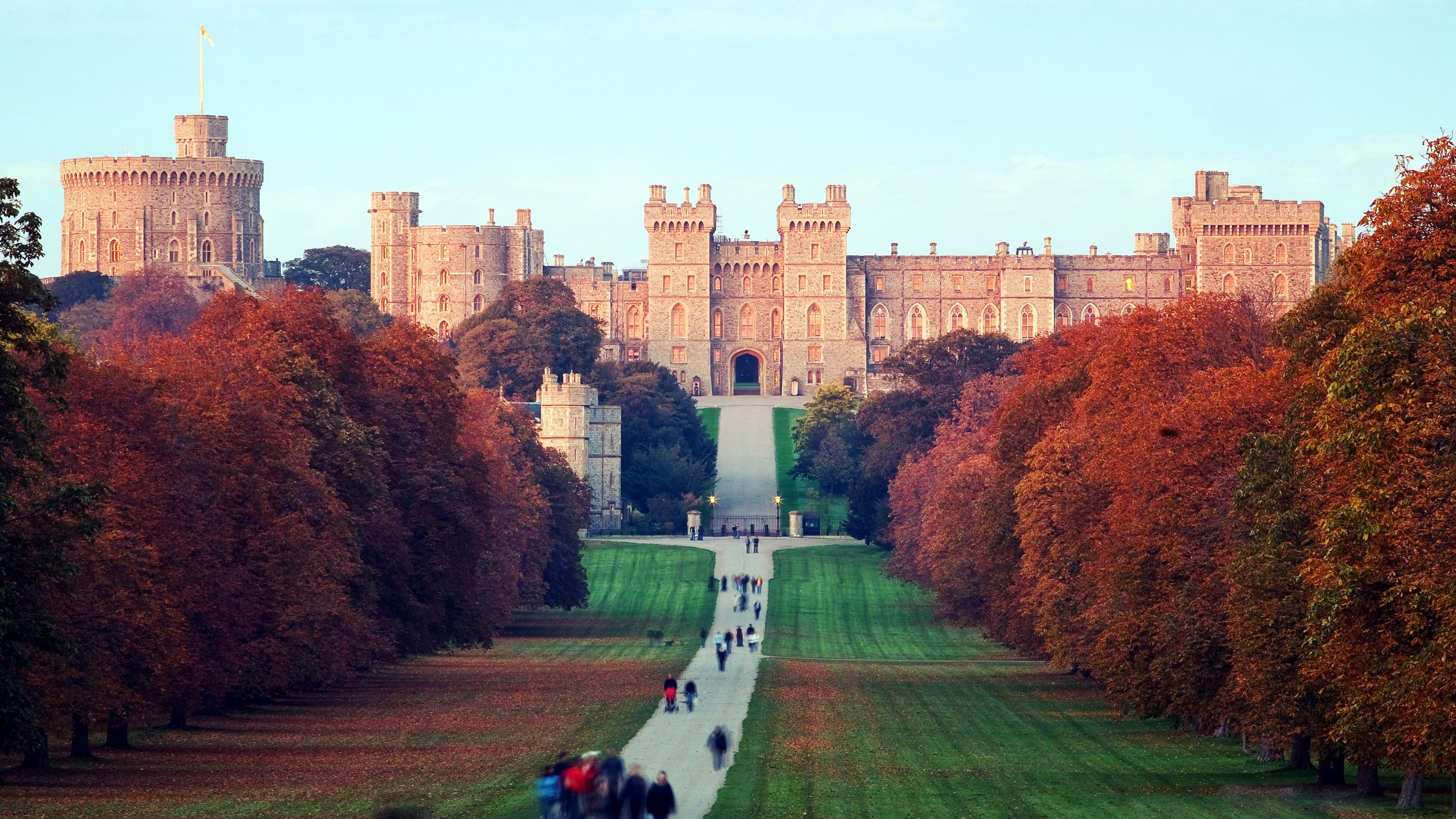
The oldest and largest inhabited castle in the world, founded by William the Conqueror. Official residence of the British monarch for over 900 years, with stunning State Apartments and St. George’s Chapel.
My visit: This might’ve been a day out from Sandhurst—no, I wasn’t at the officer academy, LOL. I was slaving for a well-known behemoth, doing web work for the Dept of Education. A job so spirit-crushing, I bolted the country for nearly 20 years!;-) (Nice folk there, though.)
Buda Castle (Hungary, founded 1388 )
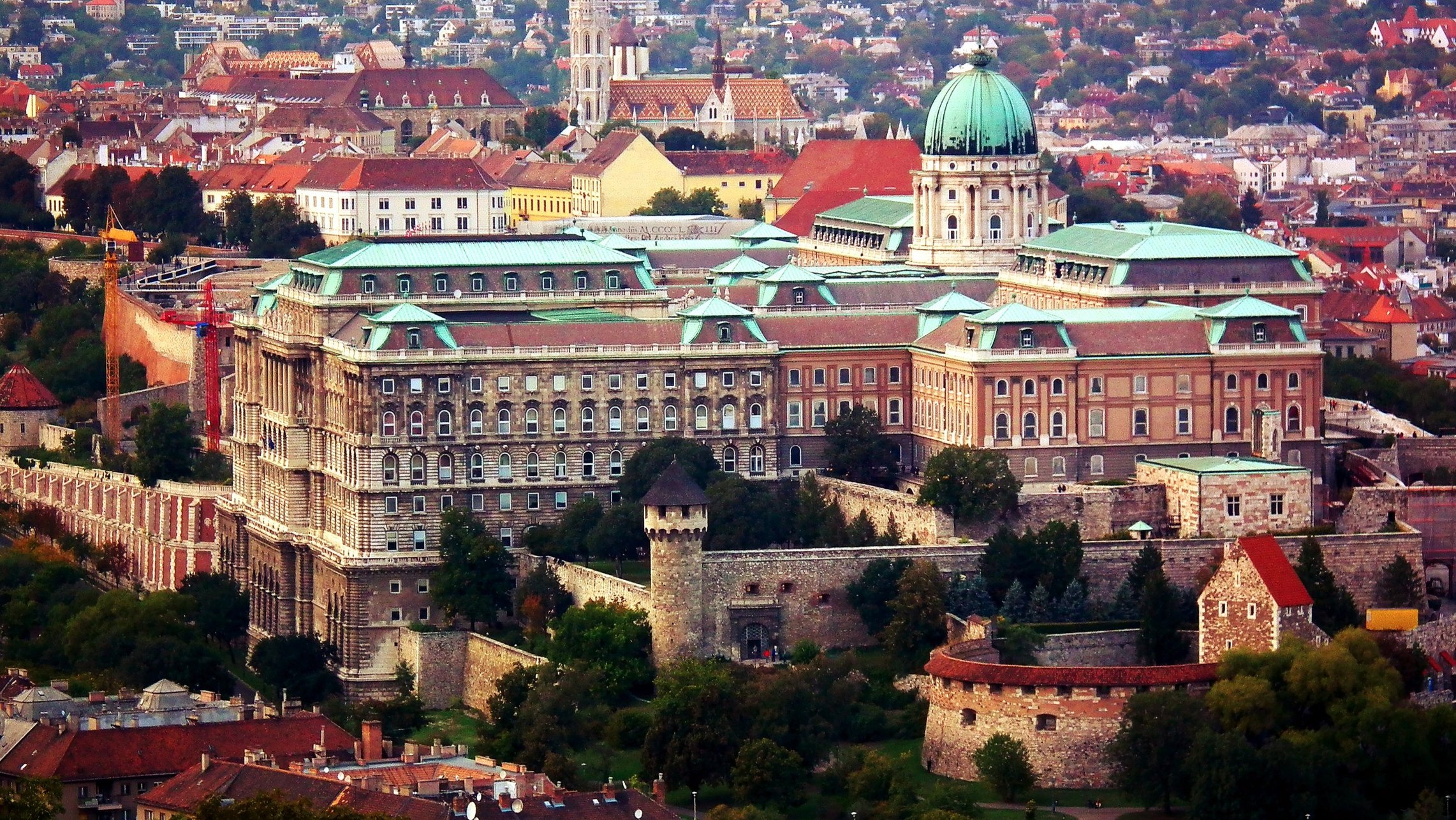
Description: Historic palace complex of the Hungarian kings, now housing the Hungarian National Gallery and the Budapest History Museum.
Historical Footnote: Heavily damaged in WWII, its reconstruction preserved medieval elements while blending Baroque and modern features.
My visit: Hitched a ride on an Eastern European road trip with a few Kiwis; starting in Hungary, passing through Slovakia (Bratislava Castle{Y}) and Croatia, with a brief 100-yard crossing into Bosnia, before finally arriving in the stunning city of Dubrovnik. Breathtaking scenery, while the constant reminders of conflict through checkpoints and land grabs served as a poignant reminder of a turbulent recent past.
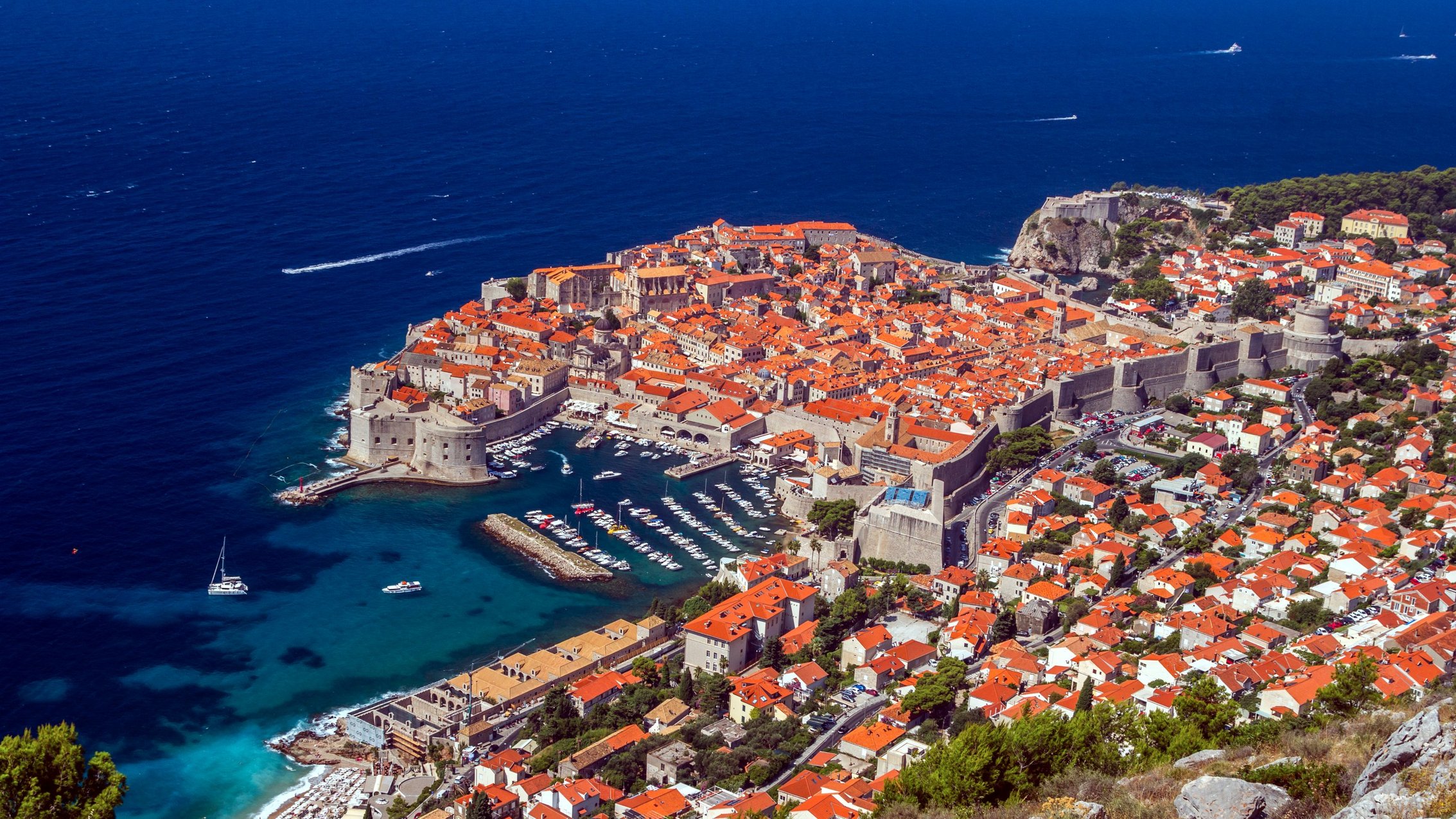
The Would Be Nice At Some Stage
Pena Palace (Portugal, Founded 1854)
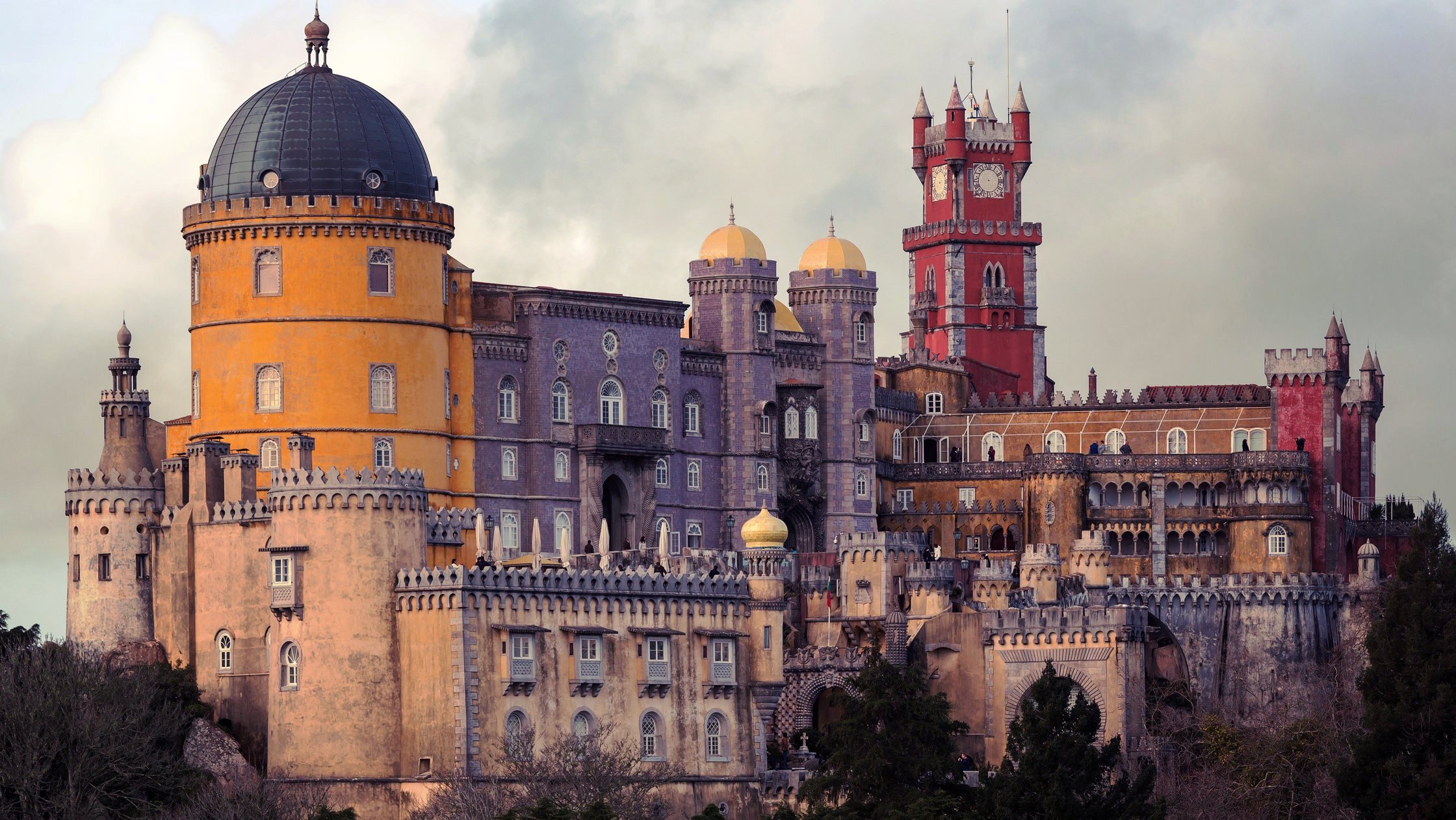
A Romanticist palace perched on a hill above Sintra, known for its vivid colours and eclectic architectural styles.
Built on the ruins of a monastery destroyed in the 1755 Lisbon earthquake, it represents the peak of 19th-century Romantic revivalism in Europe.
Matsumoto Castle (Japan, Founded 1594)
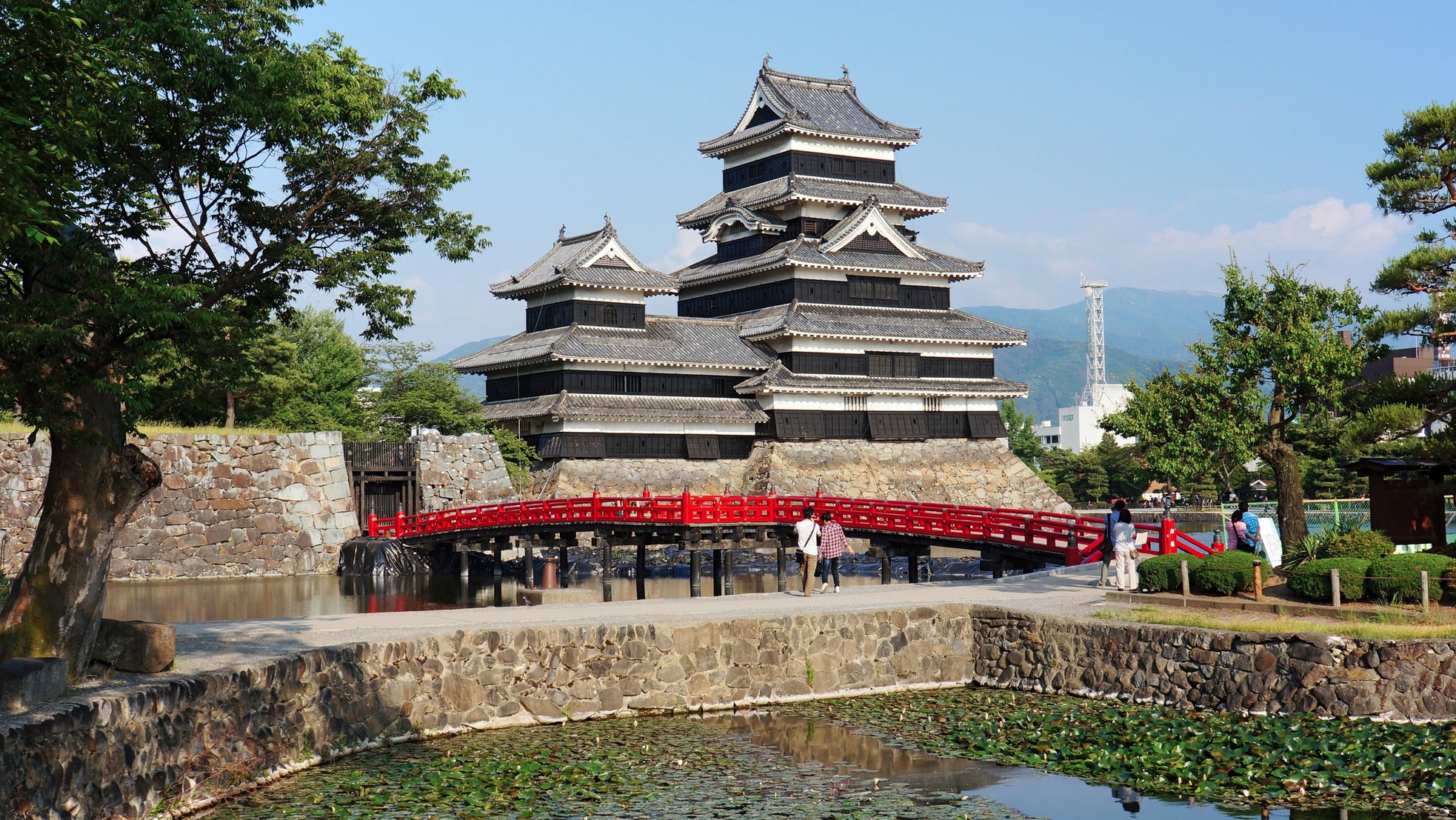
Nicknamed ‘Crow Castle’ for its dramatic black-and-white exterior, this elegant feudal keep is one of Japan’s oldest surviving original castles, surrounded by a moat and cherry blossoms in spring.
Built during the Sengoku (Warring States) period, it survived earthquakes and wars intact—earning National Treasure status as one of only five original castle keeps left in Japan.
Kremlin (Moscow) (Russia, Founded 1485)
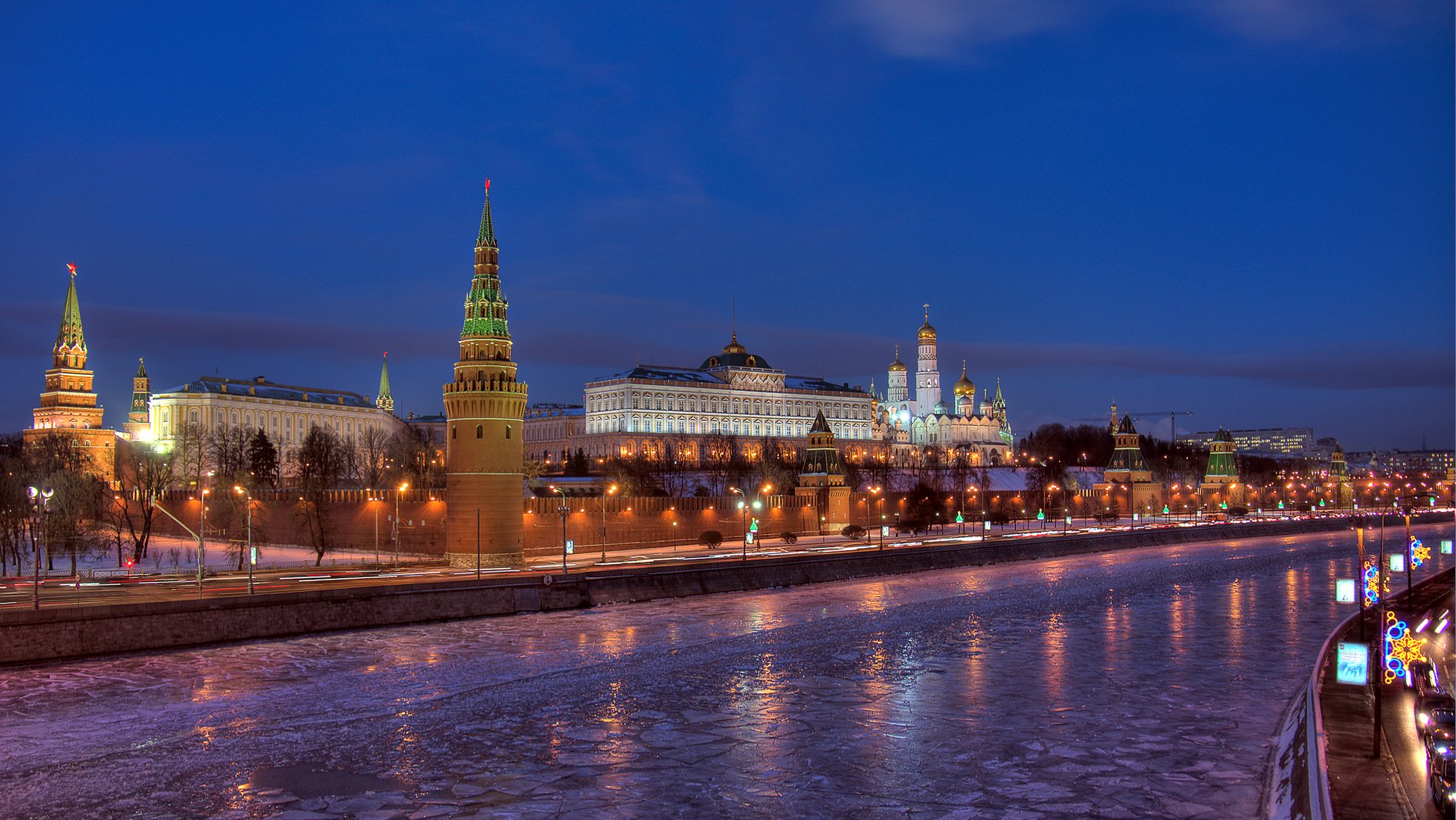
The fortified complex at the heart of Moscow, housing the Russian president and iconic cathedrals.
It has been the seat of Russian power for centuries, surviving Mongol invasions, fires, and revolutions to remain a symbol of state authority.
Krak des Chevaliers (Syria, Founded 1142)
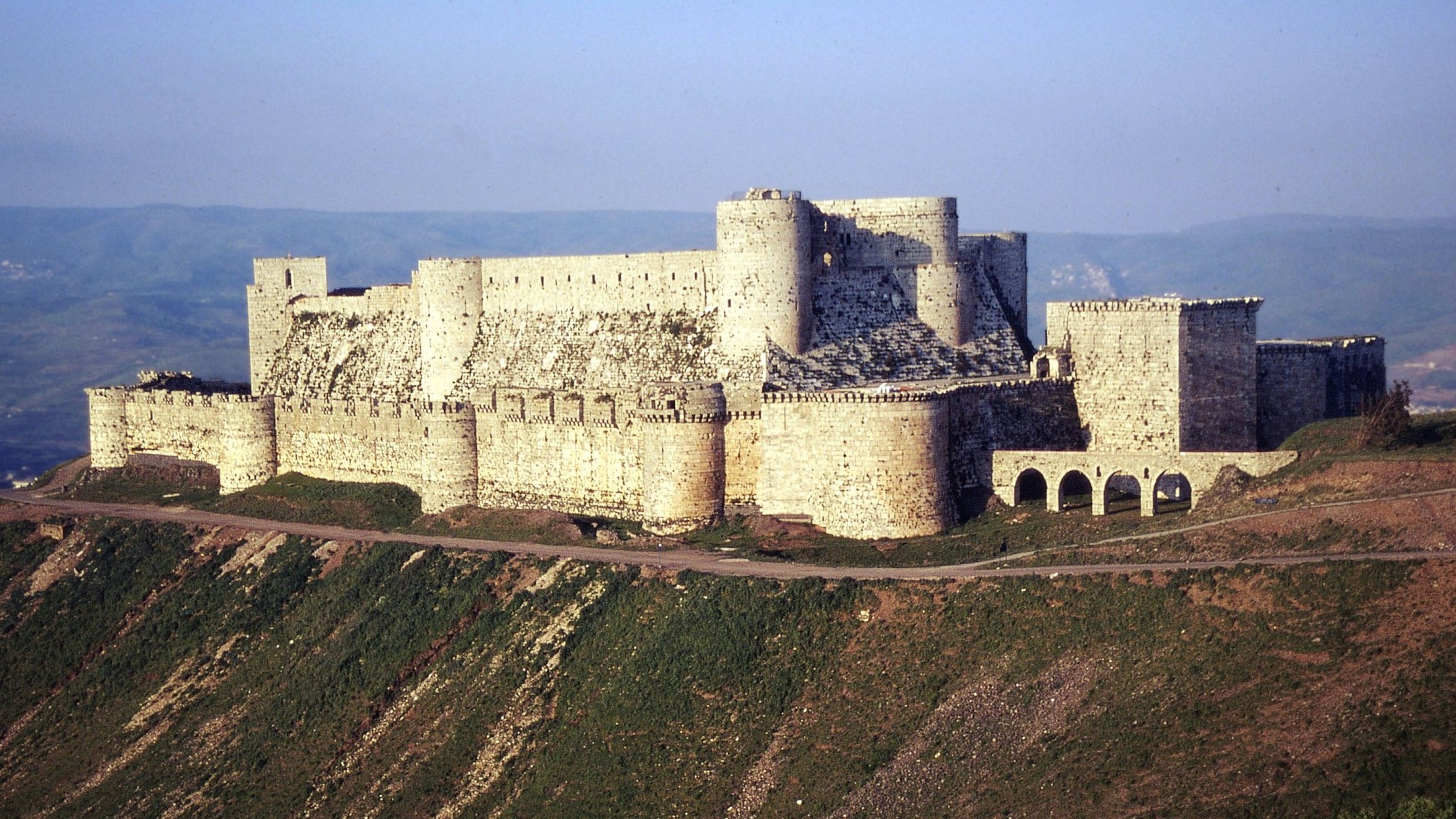
One of the best-preserved Crusader castles, perched on a hill overlooking the Homs Gap. Its massive walls and towers dominate the landscape.
It withstood numerous sieges during the Crusades and was described by a 13th-century visitor as the ‘strongest castle in the world.’
Himeji Castle (Japan, Founded 1609)
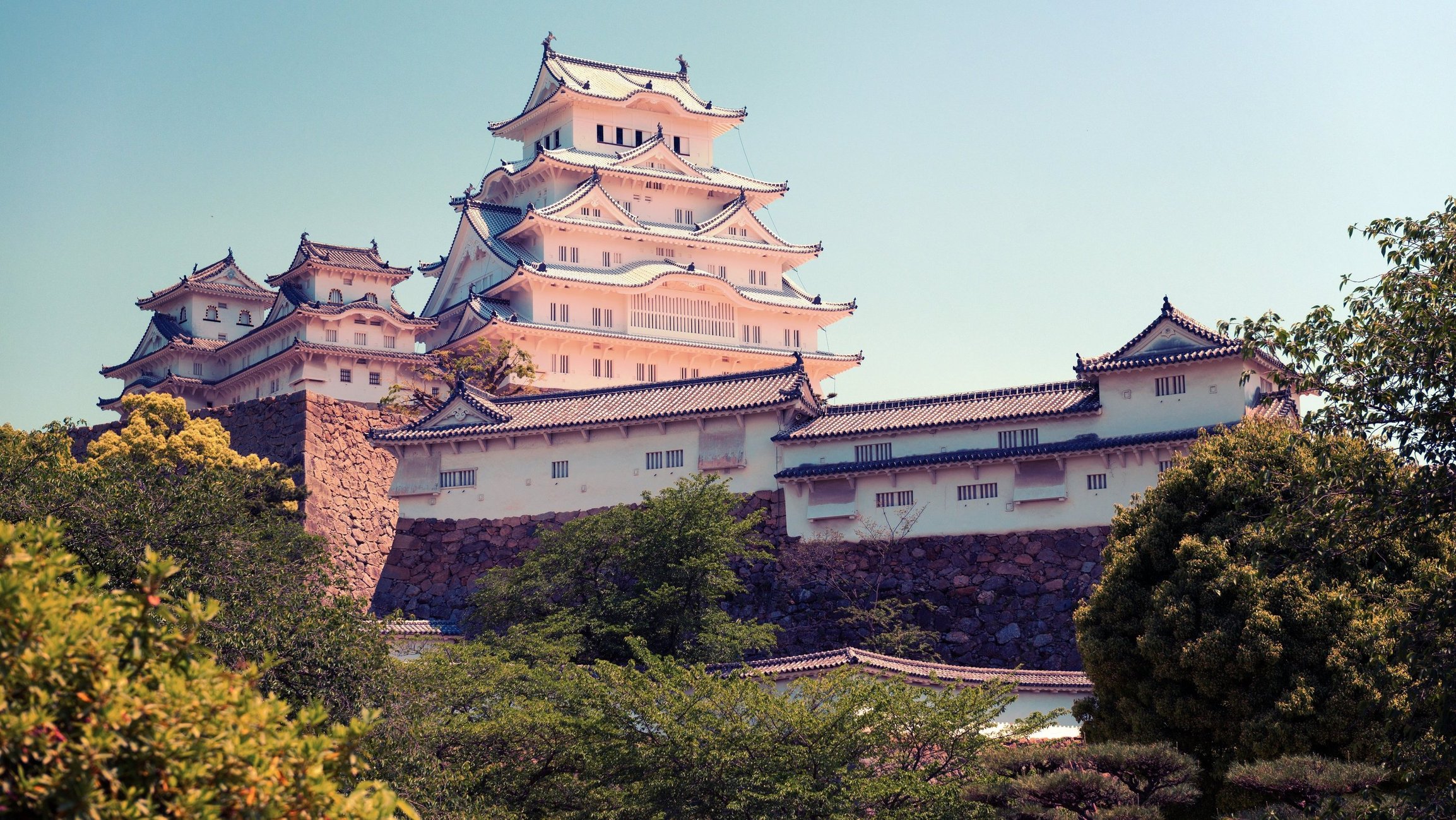
Japan’s most spectacular surviving feudal castle, known as the White Heron due to its brilliant white exterior. It is a UNESCO World Heritage Site.
Historical Footnote: One of only a handful of original Japanese castles to survive intact into the modern era, it narrowly escaped destruction in WWII bombings.
Chateau de Versailles (France, 1682)
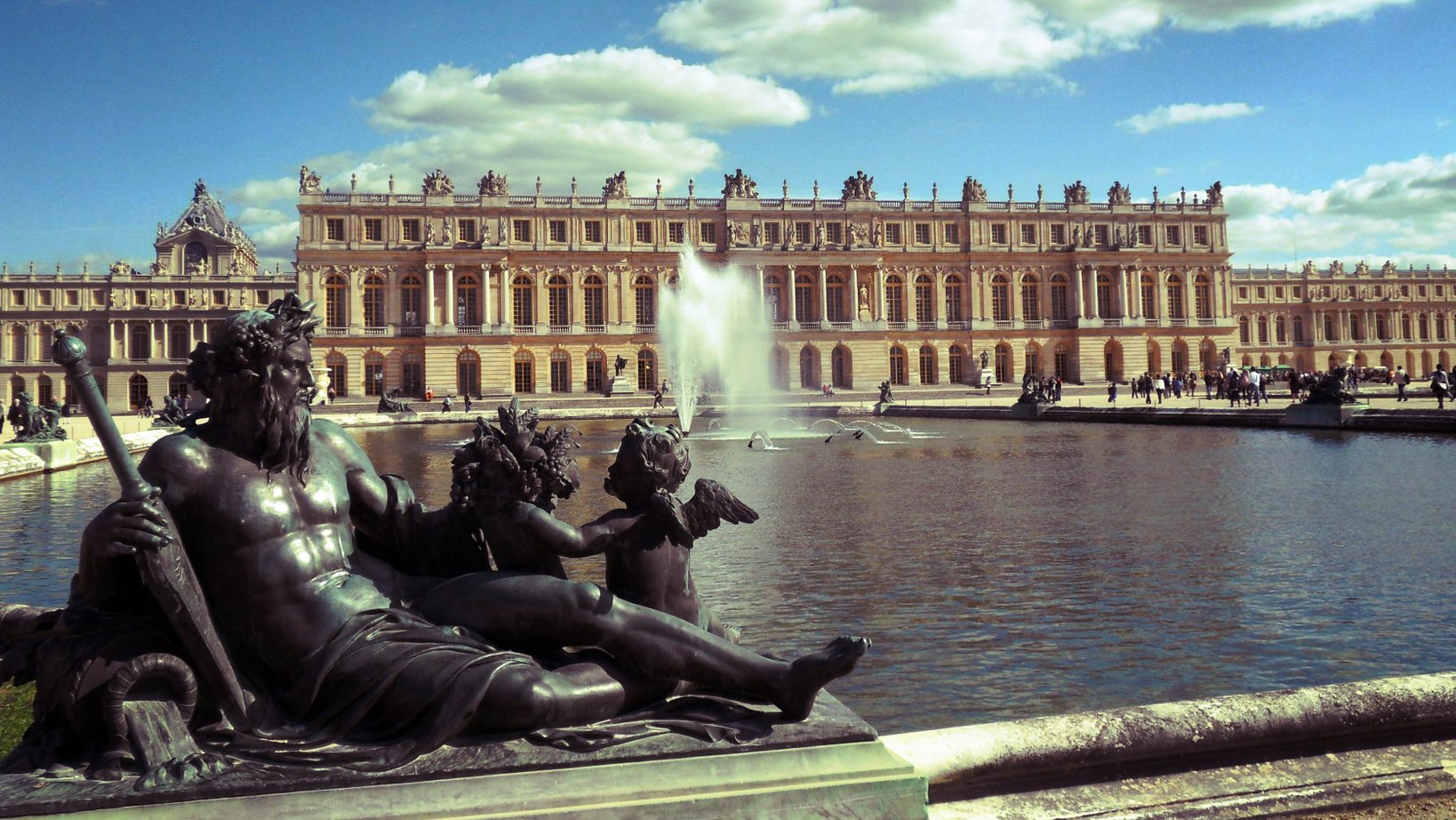
The opulent Baroque masterpiece and former residence of French kings Louis XIV to Louis XVI, famed for its Hall of Mirrors, vast gardens, and fountains. Symbol of absolute monarchy and excess that fuelled the French Revolution.
Louis XIV moved the court here in 1682 to control nobles—leading to the famous ‘Sun King’ era, but also the 1789 Revolution when the palace was stormed.
Chateau de Chenonceau (France, 1515)
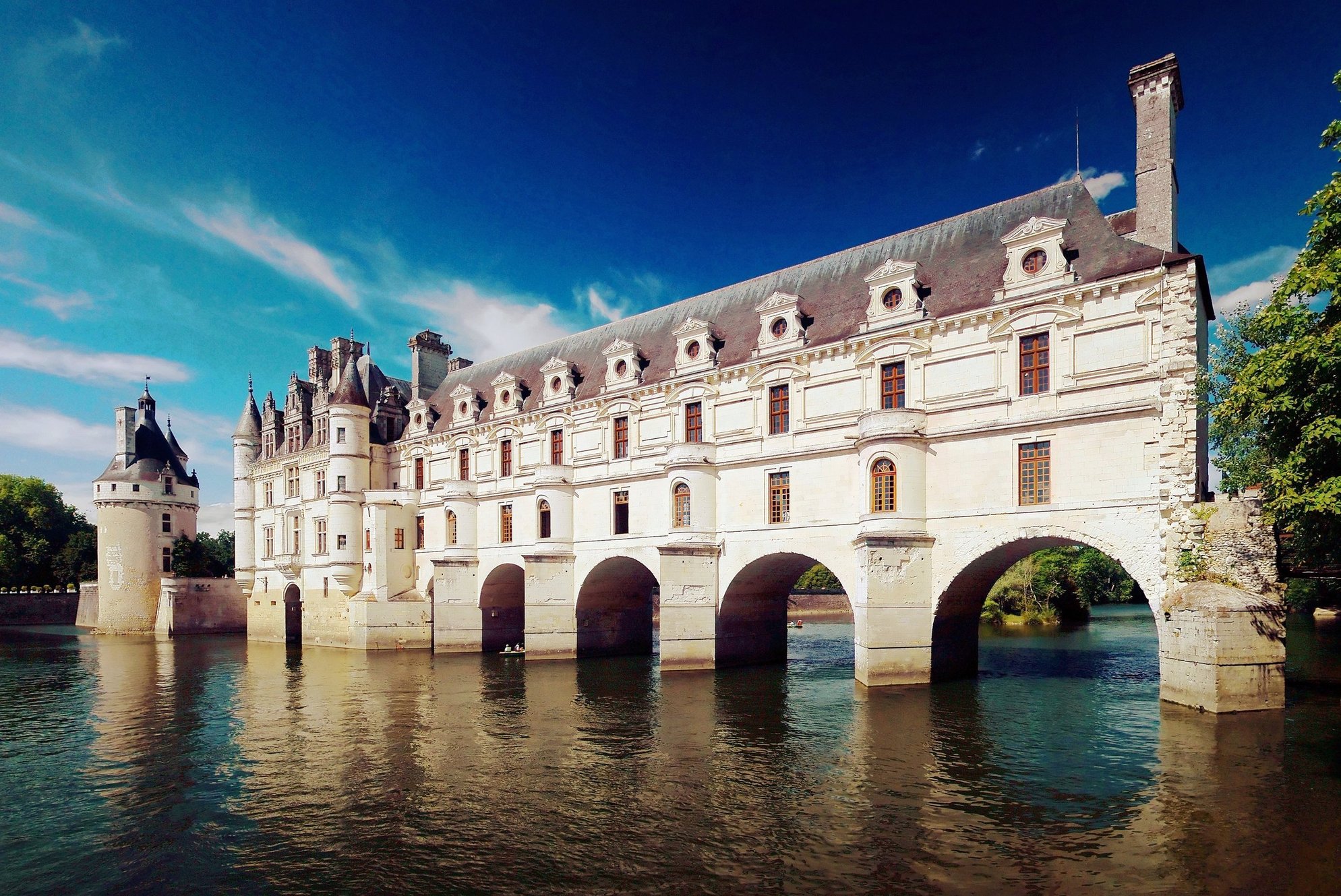
Spanning the River Cher, this elegant Renaissance château is famed for its graceful arches and beautiful gardens. It played a role in both the Hundred Years’ War and World War II.
During WWII, the gallery over the river served as an escape route from occupied to free France, saving countless lives.
Bran Castle (Romania, Founded 1388)
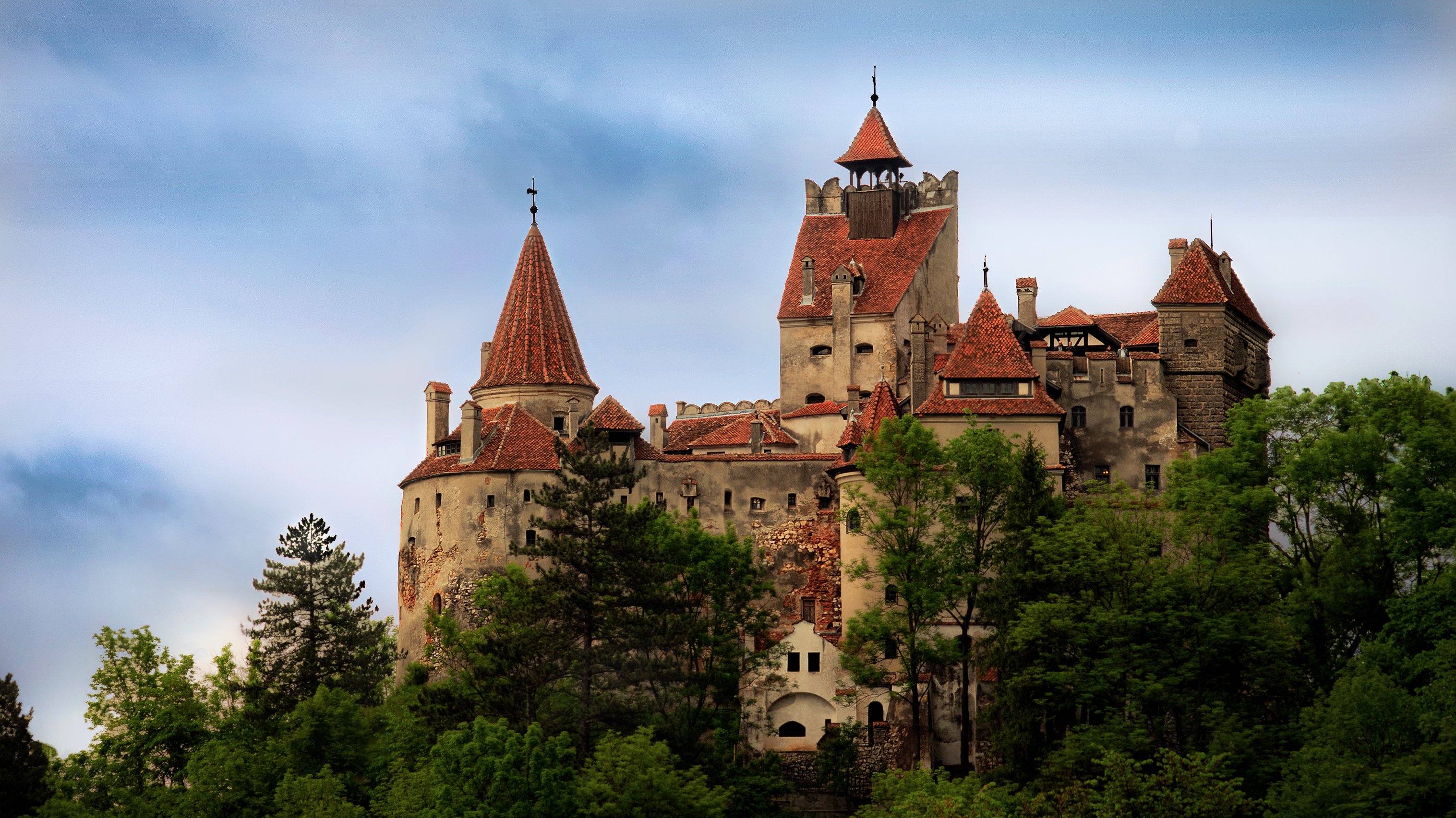
Often marketed as Dracula’s Castle, this medieval fortress sits atop a cliff in Transylvania. It now houses a museum of art and furniture.
While not actually Vlad the Impaler’s residence, its eerie location and 20th-century marketing tied it forever to Bram Stoker’s Dracula legend.
Bodiam Castle (England, Founded 1385)
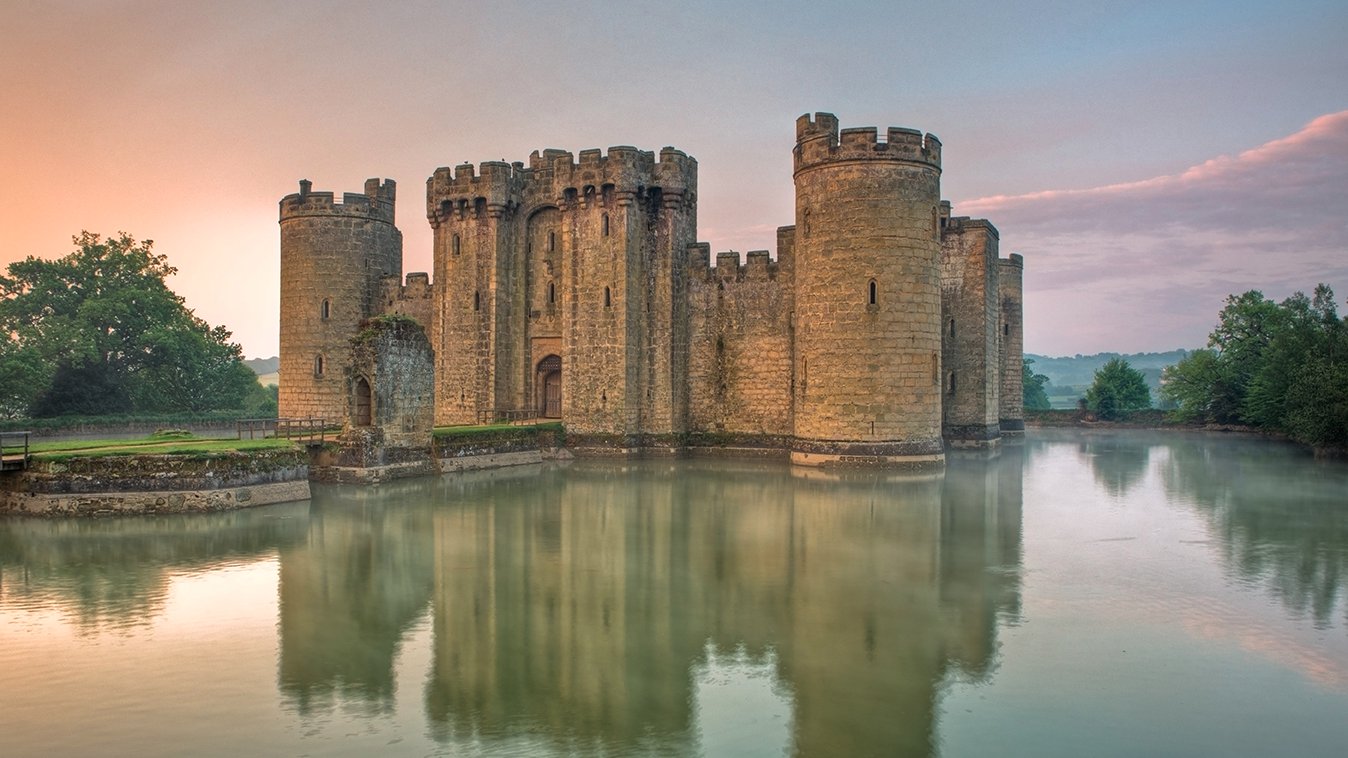
A quintessential moated medieval castle built by Sir Edward Dalyngrigge to defend against French invasion.
Never seriously attacked in its prime, it fell into ruin after the English Civil War but was restored in the 20th century as a romantic ruin.
Alhambra (Spain, Founded 889)
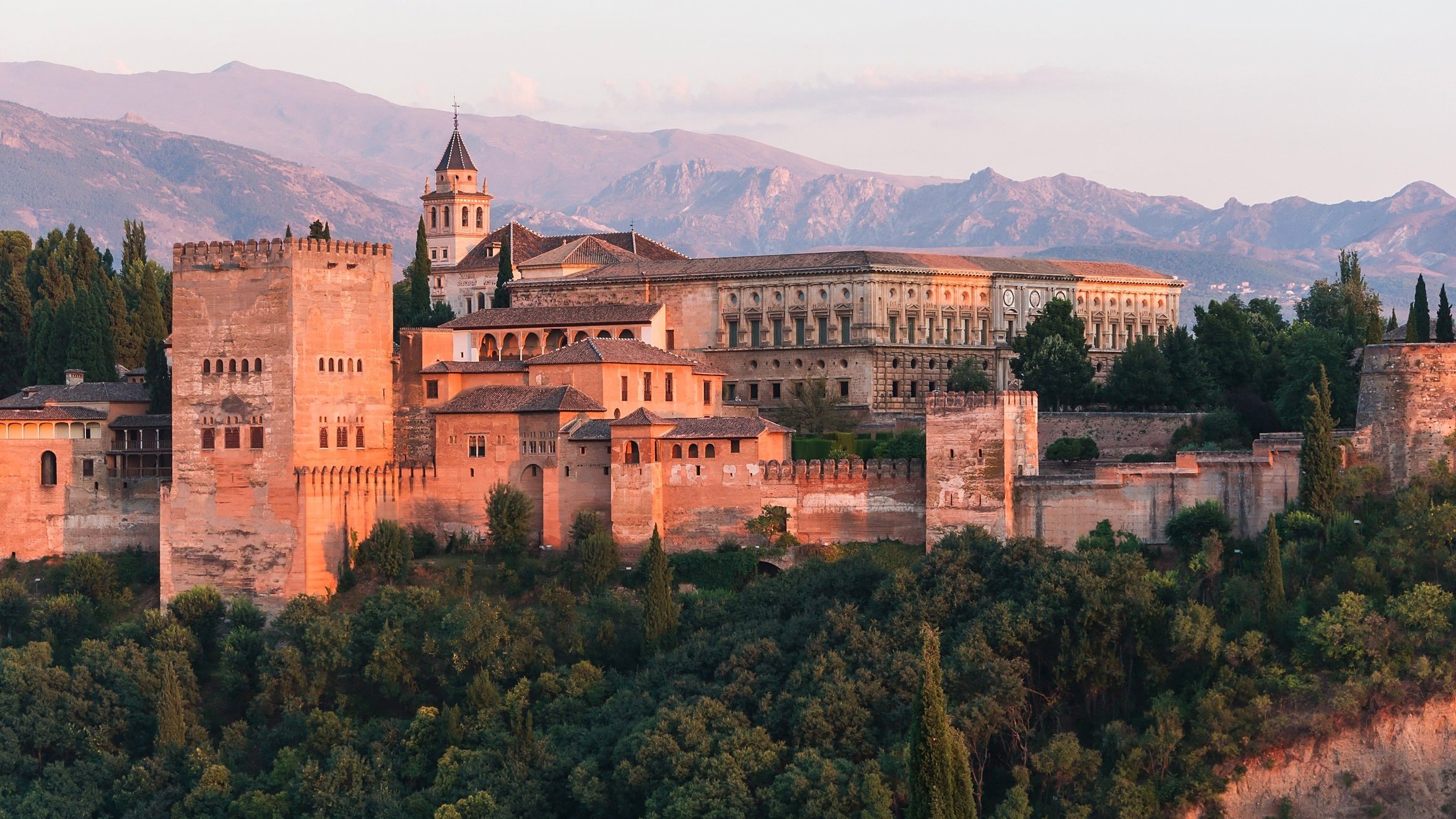
A sprawling palace-fortress complex in Granada, showcasing exquisite Moorish architecture, intricate tilework, and lush gardens.
The last Muslim stronghold in Spain fell here in 1492, marking the end of nearly 800 years of Islamic rule on the Iberian Peninsula.
Alcazar of Segovia (Spain, Founded 1122)
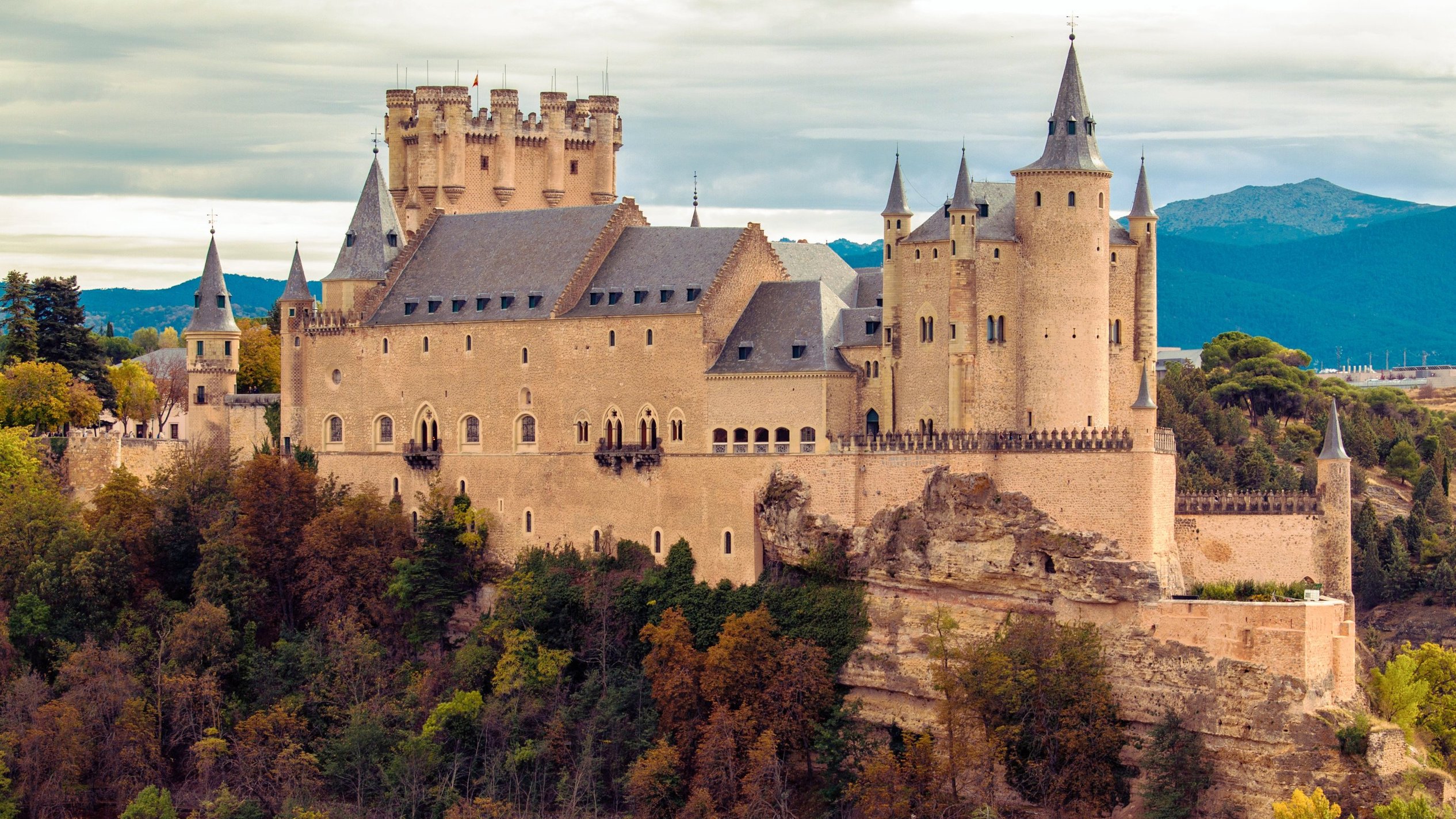
Perched dramatically on a rocky crag like a ship’s bow, this fairy-tale fortress inspired Disney’s Cinderella Castle with its pointed turrets and moat. Once a royal residence for Castilian kings.
Isabella I was crowned Queen of Castile here in 1474—launching the era that unified Spain and funded Columbus’s voyages.
In Closing: Why Castles Still Matter
Castles, for me, aren’t just stone and history — they’re markers of lives lived boldly: places of refuge, power, romance, and ruin. From the everyday Northumbrian strongholds that shaped my apprecition to the continental wonders that felt like stepping into legend, these massive feats of human ingenuity have stayed with me for a reason. They remind us that the past isn’t distant; it’s layered right beneath our feet, waiting for a curious glance or an accidental detour.
That’s why I built Castle Explorer — a simple, interactive web map to share these places with anyone who feels the same pull. No frameworks, just vanilla JavaScript and Leaflet, running smoothly on anything from a phone (while standing outside a real castle) to a desktop.
A huge thank you to the wonderful open-source community — Leaflet.js, OpenStreetMap contributors, and countless tools that made this passion project possible without reinventing the wheel. The app is fully open-source (MIT licensed), so if a castle speaks to you (especially a Northumbrian one), fork the repo, add it to castles.json, and off ye go with your own version.
GitLab Repo →
Explore the map →
Thanks for reading — what’s your favourite castle?
Made With Love ❤️ And Open Source
This entire project — from code to maps, images to writing — was built using fantastic free and open-source tools. Huge thanks to the communities behind them; they make passion projects like this possible without barriers.
- Zed Editor : Clean, fast code editing. Blazingly quick and a joy to use.
- Pop!_OS : The Linux distro that just works!
- GIMP : Powerful Photoshop alternative, zero cost.
- QGIS : Early mapping research and verifying coordinates.
- LibreOffice : Drafting notes, organising data tables, and polishing the README/blog text.
All open-source, all brilliant. If you’re starting a similar project, I can’t recommend this stack enough. Open tools = open possibilities.
All Images bar Ludworth are Courtesy Of Wikipedia Creative Commons.
Thanks to Grok for brainstorming, polishing and testing.
Related Posts
Too Long A Winter : The Hannah Hauxwell Story
Ludworth Tower: Redux